
Fine Art Conservation in Los Angeles You Can Trust
When a painting fades, tears, or gets smoke damage, it needs a careful hand. Real experience helps bring it back.
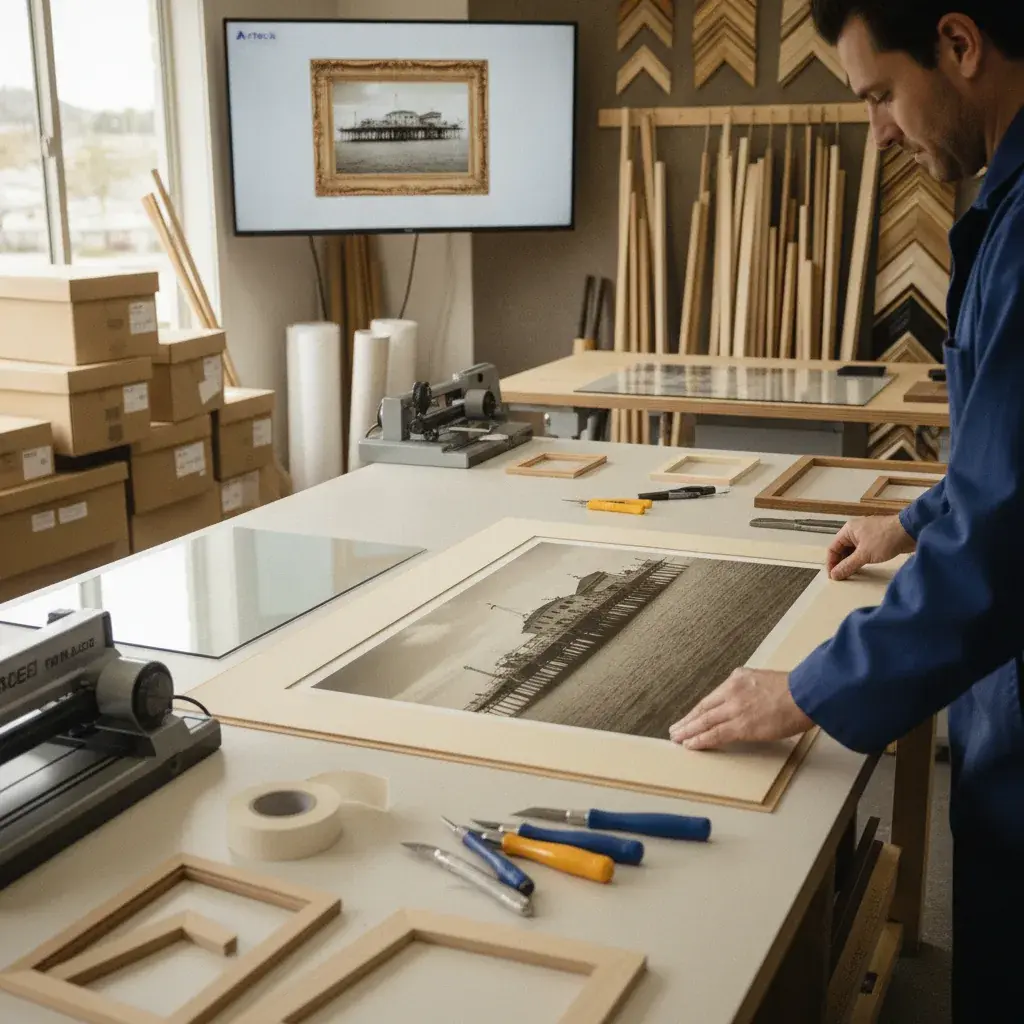
When Your Art Needs Conservation Work
Los Angeles gets over 300 sunny days a year, and that UV exposure fades pigments faster than most owners expect. Wildfire smoke season runs from June through December. It leaves a film on canvas that eats into the paint if it sits too long. We've also seen plenty of pieces cracked or knocked loose after one of LA's moderate earthquakes. Old Spanish Colonial homes have plaster walls that trap moisture behind frames. This creates slow, quiet damage to art. Waiting rarely helps. A small tear becomes a bigger loss, and faded color can't always be reversed once it's gone. Museum conservators and technicians train for years to handle this kind of work properly[1]. We treat every piece with that same level of care.
Sun Fading
Years under LA sun can wash out color and weaken the canvas itself. We assess how far the fading has gone before we recommend treatment.
Smoke Damage
Wildfire smoke leaves a fine soot layer that stains over time. We clean it gently without stripping original paint.
Torn Canvas
Tears from moving, shipping, or an earthquake jolt need proper backing and repair, not tape or glue.
Water Stains
A leak or humidity spike can warp paper and canvas. We dry and flatten pieces the right way, slowly.
Old Varnish
Yellowed varnish hides the true colors underneath. We remove it carefully so the original work shows through again.
Heirloom Repair
Family paintings passed down for generations often need cleaning and stabilizing before they can hang safely again.
Why LA Art Owners Trust Our Conservation Work
A damaged painting only gets worse with time. Cracks spread, stains set in, and colors keep fading in the light. Our team has handled fine art conservation since 1989. We know how to slow that damage down and reverse what we can.
What to expect when you call
Save Your Artwork Today
Don't wait until a small stain becomes permanent damage. Bring your piece into our Venice studio and let our art restoration service take a look.
How Our Fine Art Conservation Works
We walk through every piece slowly so nothing gets rushed or missed.
Inspection and Estimate
We look closely at the damage, from fading to tears to old varnish. You get a free estimate and a clear plan before we touch anything.
Conservation Treatment
We clean, repair, or stabilize the piece using archival materials and museum-quality methods. Every step is done in-house, right here in Venice.
Framing and Protection
Once conservation is done, we can frame the piece with UV-protective glass and acid-free matting. This keeps future sun and smoke damage from starting the cycle again.
Fine Art Conservation Cost in Los Angeles
The cost depends on the size of the piece, the type of damage, and how much treatment it needs. A small water stain costs far less to fix than a torn canvas with faded pigment. We give you a free estimate up front so there's no guessing. Every quote comes with a clear breakdown, and we never start work until you approve the price. Conservation training takes years. Skilled work like this takes real time. We keep pricing fair for Los Angeles homeowners and collectors.
Fine Art Conservation Questions
Here are answers to what LA art owners ask us most.
-
How much does fine art conservation cost?
Most projects run between $150 and $2,000 or more, depending on damage and size. We give a free estimate before starting. Small cleaning jobs cost less than major structural repairs.
-
How long does conservation take?
Simple cleaning can take a few days, while major restoration can take several weeks. It depends on how much drying, repair, or paint stabilizing is needed. We'll give you a timeline after inspection.
-
Can I restore my own art at home?
We don't recommend it. DIY cleaning often causes more damage, especially with old varnish or torn canvas. Trained conservators know which solvents and methods are safe for each material.
-
How is conservation different from restoration?
Conservation focuses on stabilizing and protecting the piece as it is. Restoration goes further and fills in missing sections or repaints damaged areas. We offer both, depending on your goals.
-
How fast should I act after damage happens?
As soon as you can. Smoke, water, and sun damage all get worse the longer they sit untreated. A quick call to us can stop small problems from becoming permanent.
-
What are the signs my art needs conservation?
Look for fading color, yellowed varnish, tears, or a musty smell from moisture. Cracked paint and soot film after wildfire season are also common signs. Bring it in and we'll take a look.
-
Do you conserve sports memorabilia too?
Yes, we handle jerseys, photos, and signed items alongside our fine art conservation. Many pieces need custom shadow box framing after treatment to keep them protected long term.